
I have a Gut Feeling
How the Microbiome Shapes Your Health

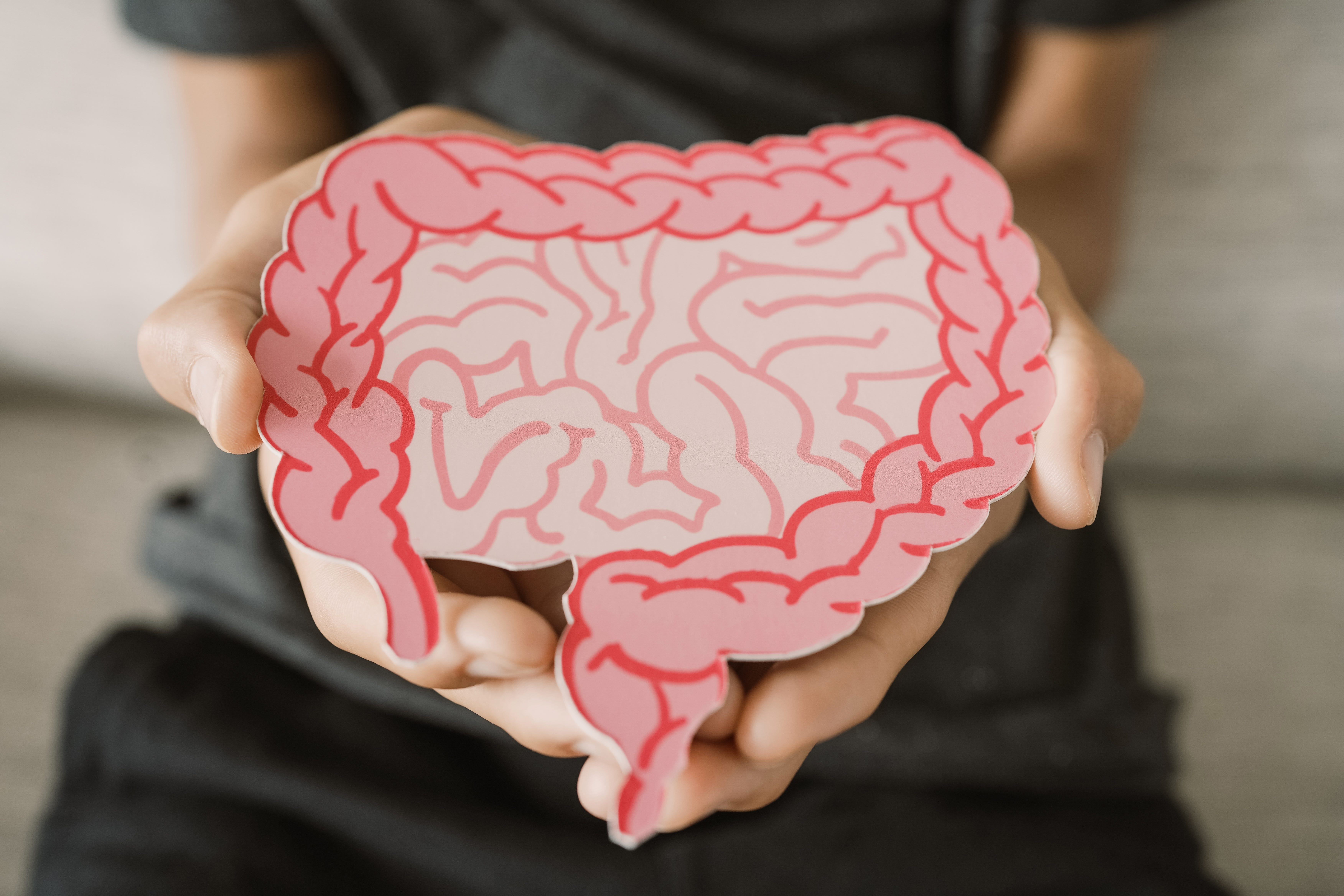
🌟 Have you ever wondered how your digestive system and your heart might be interconnected?
🌿 Or how the trillions of microorganisms residing in your gut could be influencing your health?
Do you find yourself seeking antibiotics even when they may not be necessary?
Keep reading…
Let's explore how the colon, and more specifically, the microbiome within it, plays a vital role in our overall health, including our cardiovascular system and other crucial organs.
The Microbiome: A Mini Universe Inside Us
The microbiome is a collection of microorganisms, including bacteria, fungi, and viruses, that inhabit our bodies. These microorganisms are our tiny warriors, playing crucial roles in our health and well-being.
In our gut, bacteria help to break down food, produce vitamins, and protect against harmful pathogens. The microbiome plays a crucial role in our health by affecting various aspects of our well-being:
1. Cardiovascular Health: An imbalanced microbiome can contribute to cardiovascular diseases through mechanisms such as inflammation, altered cholesterol metabolism, and hypertension.
2. Immune System Regulation: The microbiome plays a vital role in developing and regulating our immune system. A balanced microbiome helps prevent overactive immune responses that can lead to allergies or autoimmune diseases.
3. Protection Against Pathogens: The beneficial bacteria in our microbiome can prevent harmful pathogens from colonizing our bodies by competing for resources and producing substances that inhibit the growth of harmful bacteria.
4. Vitamin Synthesis: Certain bacteria in the microbiome produce essential vitamins, such as vitamin K and some B vitamins.
5. Mood and Mental Health: There is growing evidence that the microbiome can affect our mood and mental health through the gut-brain axis, a communication pathway between the gut and the brain.
6. Metabolism and Weight Management: The microbiome plays a role in regulating our metabolism and can influence weight gain or loss.
7. Digestion: Certain bacteria in the gut help break down complex carbohydrates and fibers, producing short-chain fatty acids that nourish the gut lining and provide energy for our bodies.
👶 Did You Know?
Each person has a unique network of microbiota, initially determined by one's DNA. The first exposure to these microorganisms happens at birth and through breastfeeding.
More about Microbiome and Heart Health:
An imbalanced gut microbiome can lead to various heart health issues, including:
1. Inflammation: An imbalanced microbiome can contribute to systemic inflammation, a known risk factor for cardiovascular diseases. Certain harmful bacteria can release toxins or metabolic byproducts that trigger inflammation, affecting blood vessels and contributing to atherosclerosis (hardening of the arteries).
2. Cholesterol Metabolism: Imbalances can lead to higher levels of bad cholesterol.
3. Hypertension: Research suggests that certain bacteria in the gut can produce metabolites that influence blood pressure regulation. An imbalance in these bacteria may contribute to hypertension, a major risk factor for heart diseases and stroke.
4. TMAO Production: TMAO is an inflammatory marker that we can now check on a regular blood test that is linked to an increased risk of cardiovascular diseases.
5. Obesity and Metabolic Syndrome: The gut microbiome plays a role in regulating metabolism and body weight. Dysbiosis can contribute to obesity and metabolic syndrome, conditions that are closely linked to cardiovascular diseases.
6. Diabetes: An imbalanced microbiome can contribute to the development of type 2 diabetes, which is a significant risk factor for cardiovascular diseases.
📝 Symptoms of an Abnormal Microbiome:
- Digestive issues like bloating or diarrhea.
- Unexplained weight changes.
- Fatigue and low energy.
- Skin problems like acne or eczema.
- Allergies or asthma.
- Mood disorders like anxiety or depression.
🤔 Experiencing these symptoms?
Understanding the community of microorganisms in your gut can be a valuable step in taking control of your health. There are several methods available for assessing your gut microbiome.
At-Home Testing Kits: At-home testing kits have revolutionized our approach to personal health, making it easier and more convenient than ever to gain insights into our microbiome. These kits typically include everything you need to collect a stool sample in the privacy of your home, which is then mailed to a lab for analysis. If you're interested in trying out an at-home testing kit, we've partnered with [Company Name], a leading provider of microbiome testing kits. You can purchase your kit here.
🥦 Improving Your Gut Microbiome:
A healthy diet plays a crucial role in maintaining and improving the gut microbiome. Here are some tips:
1. High-Fiber Diet: A diet high in fiber affects the type and amount of microbiota in the intestines. Dietary fiber is broken down and fermented by enzymes from microbiota, producing SCFAs that lower the pH of the colon, limiting the growth of harmful bacteria.
2. Avoid antibiotics when not necessary or not prescribed by health care provider: Antibiotics, while crucial in treating bacterial infections, can significantly impact the gut microbiome by killing not only the harmful bacteria causing the infection, but also the beneficial bacteria that are crucial for our health. This disruption can lead to a condition known as dysbiosis, an imbalance of the microbial populations in the gut. Dysbiosis can have various consequences, such as increased susceptibility to infections, impaired digestion, and alterations in nutrient absorption. Furthermore, it has been linked to a range of health issues, including inflammatory bowel disease, obesity, and metabolic syndrome.
3. Prebiotic Foods: Foods high in prebiotic fibers, such as garlic, onions, leeks, asparagus, and bananas, feed beneficial microbiota. Whole grains, fruits, and vegetables are also good sources of prebiotic fibers.
4. Probiotic Foods: Fermented foods like yogurt, kefir, kimchi, and sauerkraut contain beneficial live microbiota that can alter one's microbiome.
5. Probiotic Supplements: Probiotic supplements, while not regulated by the FDA, can be beneficial in specific situations, such as replenishing normal bacteria after antibiotic use or reducing the severity of diarrhea.
And remember, if you have gastrointestinal sensitivities, introduce these foods gradually to avoid any discomfort.
Understanding and maintaining a balanced and healthy microbiome is vital for our overall health and heart health. Achieving a balanced gut microbiome through a healthy diet, the right supplements, and avoiding unnecessary use of antibiotics is crucial for ensuring optimal well-being and cardiovascular health. This balance supports essential functions, such as digestion, immune system regulation, and protection against pathogens, contributing to a healthy and harmonious internal ecosystem.
Next week: Sweat It Out! 💪🏃♂️💦
Stay active, stay healthy, and stay happy.
lets keep our little guardians healthy!
Jaime Ghitelman and the In.Facts team.